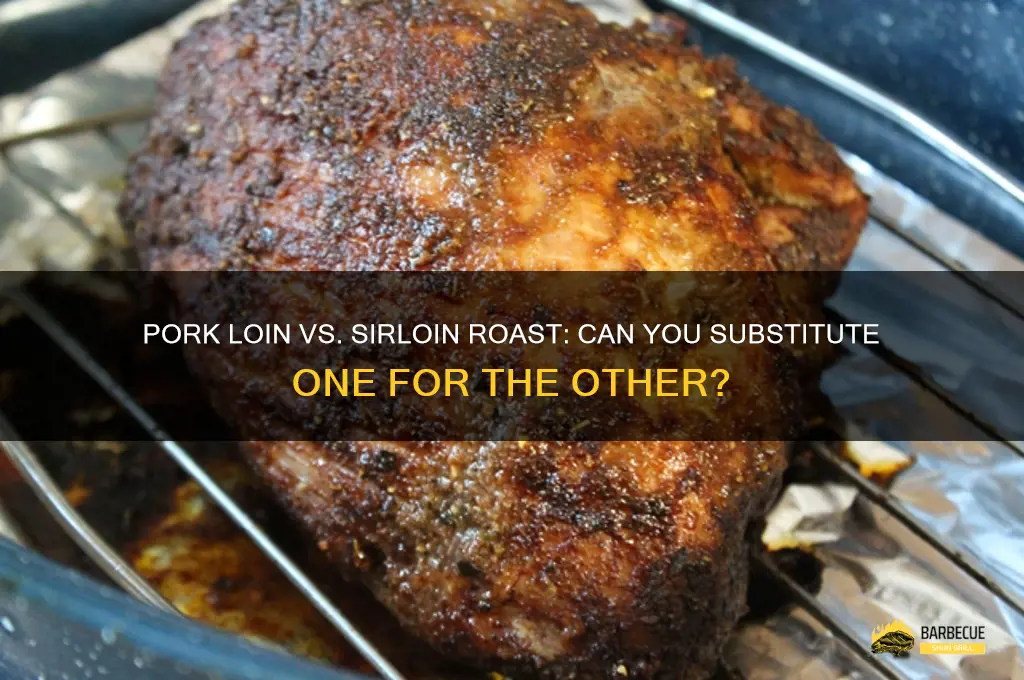
Pork Sirloin vs. Other Roasts: Cook a Lean & Tender Dinner
The quest for the perfect roast often conjures images of long hours in the kitchen, carefully tending to a cut of meat until it reaches peak succulence. While some pork roasts truly benefit from a slow and leisurely cooking pace, there are times when you crave that comforting, tender, and juicy experience without the all-day commitment. This is where the magnificent
pork sirloin roast steps into the spotlight. Often underestimated, this lean and versatile cut offers a fantastic solution for a healthy, flavorful, and relatively quick dinner, standing apart from its fattier, slow-cooking counterparts. But what exactly makes the pork sirloin roast so special, and how do you ensure it emerges from your oven perfectly tender, never dry? Let's dive in.
Understanding Pork Sirloin: A Lean and Versatile Cut
Before we uncover the secrets to cooking a truly remarkable pork sirloin, it's essential to understand what this cut is and where it comes from. The pork sirloin roast is a specific section of the larger pork loin primal cut, located towards the hind leg of the pig. While sometimes casually referred to as pork loin, it’s distinct from the center-cut loin or the incredibly lean pork tenderloin.
What defines the
pork sirloin roast most prominently is its relative leanness. It contains less marbling (intramuscular fat) than cuts like pork shoulder, making it a healthier option for many. This leanness, however, is a double-edged sword: while it’s great for absorbing marinades and rubs, it also means the sirloin is prone to drying out if not cooked with care and precision. Its mild flavor profile makes it a culinary chameleon, eager to adopt whatever seasonings and aromatics you choose to pair it with, serving as a delicious blank canvas for your culinary creativity. Typically sold boneless, it's a convenient choice for home cooks looking for an easy-to-manage roast.
Pork Sirloin vs. Other Roasts: Speed, Texture, and Cooking Methods
The world of pork roasts offers a spectrum of flavors, textures, and cooking times. Understanding these differences is key to selecting the right cut for your desired meal and schedule.
*
Pork Sirloin Roast: As we've established, the
pork sirloin roast is a lean, tender cut that cooks relatively quickly. Its low fat content means it doesn't need hours to break down connective tissue; instead, the goal is to cook it just until tender and juicy, usually within an hour for smaller roasts. It's ideally suited for dry-heat methods like searing followed by roasting, much like pork loin or pork tenderloin. The result is a firm yet tender texture that slices beautifully.
*
Pork Shoulder (Boston Butt or Picnic Shoulder): This is perhaps the most common "pork roast" people think of when envisioning a low-and-slow preparation. Cuts from the shoulder are generously marbled with fat and abundant in connective tissue. These characteristics make them perfect for long cooking times – often 4 to 8 hours or more – using moist-heat methods like braising, slow cooking, or smoking. The fat renders, and the connective tissue breaks down, resulting in incredibly tender, fall-apart meat that's ideal for pulled pork or hearty stews. The flavor is rich and robust, a stark contrast to the sirloin's milder taste.
*
Pork Loin Roast: While related to the sirloin, a full pork loin roast is a larger, longer cut that may require slightly more cooking time than a typical sirloin roast. It shares the sirloin's leanness and mild flavor, making it also suitable for searing and roasting. The primary difference is often just the size and shape of the cut.
*
Pork Tenderloin: This is the leanest and most tender cut of pork, renowned for its delicate texture. It cooks the fastest of all, usually within 20-30 minutes, and is often cooked whole, sliced into medallions, or butterflied. While not typically referred to as a "roast" in the traditional sense, its quick cooking time and tenderness make it a close cousin to the sirloin's appeal for faster meals.
In essence, if you're seeking a succulent, sliceable roast that is lean, tender, and won't keep you in the kitchen all day, the
pork sirloin roast is your champion. It offers a substantial "roast" experience without the extensive commitment of a fattier, tougher cut.
Mastering the Art of Cooking a Juicy Pork Sirloin Roast
The most common lament about lean pork roasts is their tendency to dry out. But with the right techniques, your
pork sirloin roast can achieve ultimate juiciness and flavor. It’s not about a single magic trick, but a combination of thoughtful steps.
1. Preparation for Perfection
*
Bring to Room Temperature: Allow your pork sirloin roast to sit out of the refrigerator for 30-60 minutes before cooking. This helps it cook more evenly from edge to center.
*
Season Generously: This lean cut loves flavor. Dry brining (salting the meat well in advance, even overnight) significantly enhances moisture retention and taste. Beyond salt and pepper, consider robust rubs featuring garlic powder, onion powder, paprika, dried herbs (rosemary, thyme, sage), or even a touch of brown sugar for caramelization. A garlic herb butter, as suggested in our references, creates an irresistible crust and infuses flavor.
*
Marinades: For an extra boost of moisture and flavor, especially if you have a few hours, marinating your pork sirloin roast is an excellent idea. Acidic components like citrus juice or vinegar help tenderize, while oil and other aromatics penetrate the meat.
2. The Searing Advantage
Searing is a non-negotiable step for a truly flavorful roast. Heat a heavy-bottomed pan (like cast iron) over medium-high heat with a little high-smoke-point oil until shimmering. Sear the pork sirloin roast on all sides until a beautiful golden-brown crust forms. This Maillard reaction creates incredible depth of flavor and helps to "lock in" juices by building a barrier, although the primary benefit is flavor.
3. Precise Roasting and Temperature Control
After searing, transfer your roast to an oven-safe pan or baking dish. You can slather it with additional garlic herb butter or pour a little broth or wine into the bottom of the pan. This liquid helps create pan juices for gravy and prevents drippings from burning.
*
Oven Temperature: Roast in a preheated oven at a moderate-to-high temperature, typically between 375-400°F (190-200°C).
*
Internal Temperature is King: This is the most critical factor for juiciness. Use a reliable meat thermometer inserted into the thickest part of the roast, avoiding bone. For a perfectly tender and juicy pork sirloin, aim for an internal temperature of 135-140°F (57-60°C) for medium-rare, or 145°F (63°C) for medium. Remember, the roast will continue to cook a few degrees (carryover cooking) while resting. Overcooking by even a few degrees can lead to dryness.
*
Cooking Time: Depending on the size and thickness of your roast, total cooking time after searing will typically be around 45-60 minutes. For a detailed step-by-step recipe that delivers incredible results in about an hour, check out our guide on
Pork Sirloin Roast: Get Tender, Juicy Dinner in 1 Hour.
4. The Essential Rest
Once your
pork sirloin roast reaches its target internal temperature, remove it from the oven and transfer it to a cutting board. Tent it loosely with foil and let it rest for at least 10-15 minutes. This crucial step allows the meat fibers to relax and the juices, which have been pushed to the center during cooking, to redistribute throughout the roast. Skipping this step will result in juices spilling out when you slice, leaving you with a drier piece of meat. To delve deeper into advanced techniques for ensuring ultimate juiciness, refer to
Ultimate Pork Sirloin Roast: Juicy Perfection for Lean Cuts.
5. Slicing Against the Grain
When it's time to carve, identify the direction of the muscle fibers (the grain) and slice against it. This shortens the fibers, making each bite incredibly tender and easy to chew.
Elevating Your Pork Sirloin Experience
The mild taste of
pork sirloin roast means it pairs wonderfully with a myriad of flavors.
*
Beyond Garlic and Herbs: While a classic, consider other flavor profiles. Try a rub with smoked paprika, cumin, and chili powder for a southwestern twist. A mustard-based rub or a sweet-and-savory glaze with honey and balsamic vinegar also works beautifully.
*
Simple Pan Gravy: Don't let those delicious pan juices go to waste! After resting the roast, place the pan on the stovetop over medium heat. Deglaze with a splash of broth, wine, or even apple cider, scraping up any browned bits. Thicken with a cornstarch slurry (cornstarch mixed with a little cold water) for a rich, flavorful gravy to drizzle over your sliced pork.
*
Serving Suggestions: Pork sirloin roast is incredibly versatile. Serve it alongside roasted root vegetables (carrots, potatoes, parsnips), creamy mashed potatoes, a vibrant green salad, or a sweet and tangy apple compote or homemade applesauce.
The
pork sirloin roast is an unsung hero in the world of weeknight dinners and special occasions alike. It delivers on tenderness, flavor, and a satisfying lean profile without demanding an entire afternoon of your time. By understanding its unique characteristics and applying a few simple yet effective cooking techniques – from generous seasoning and thorough searing to precise temperature control and an essential resting period – you can transform this often-overlooked cut into a show-stopping meal that is consistently tender, juicy, and utterly delicious. So next time you're looking for a roast that’s both healthy and hearty, don't hesitate to reach for the pork sirloin; it’s a lean, tender dinner that truly delivers.