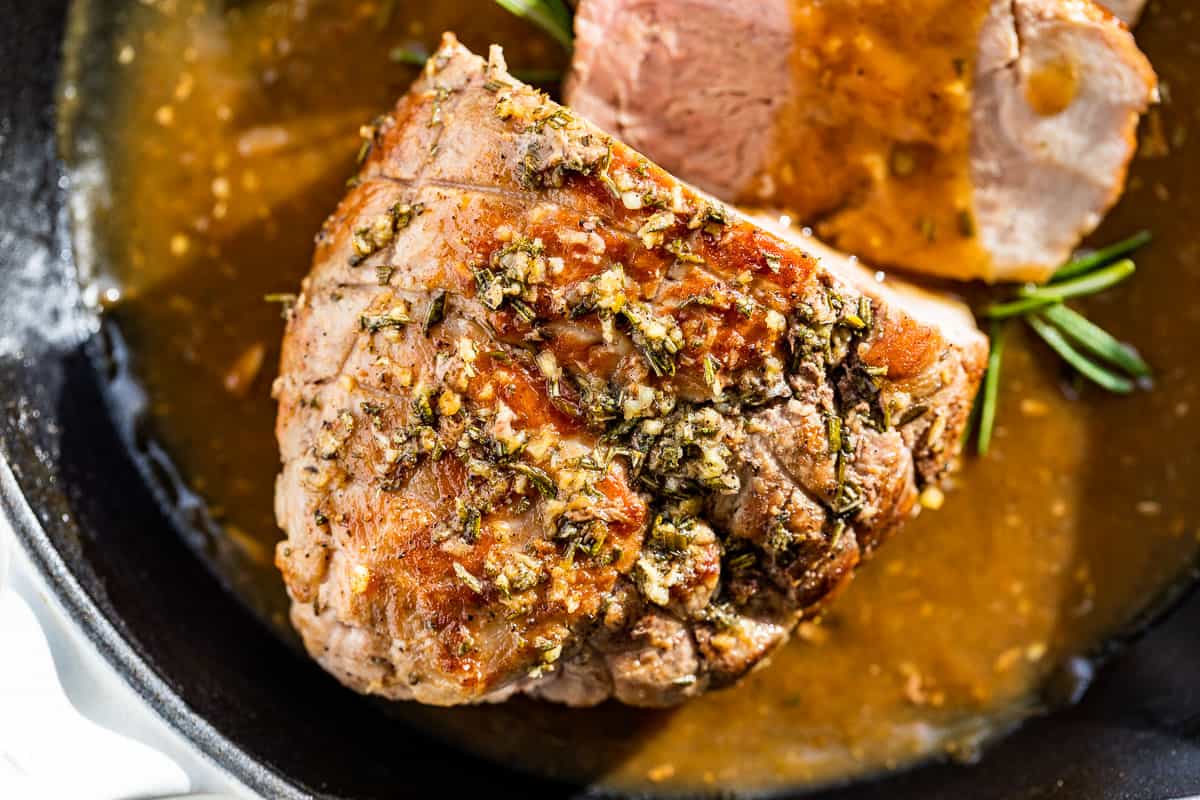
Pork Sirloin Roast: Get Tender, Juicy Dinner in 1 Hour
Imagine this: it's a busy weeknight, your family is hungry, and you're dreaming of a flavorful, succulent pork roast. But who has eight hours for a slow cooker? If that scenario sounds familiar, then the ultimate pork sirloin roast is about to become your new weeknight hero. Forget the dry, disappointing roasts of the past. With the right techniques, you can achieve a perfectly tender, incredibly juicy pork sirloin roast in just one hour, transforming a lean cut into a memorable meal.
Many home cooks shy away from lean cuts like pork sirloin, fearing they'll end up with a dry, tough dinner. While it's true that its leanness requires a thoughtful approach, this very characteristic also makes it cook remarkably fast and acts as a fantastic canvas for robust flavors. This guide will walk you through the secrets to unlocking its inherent succulence, ensuring every slice of your pork sirloin roast is a testament to juicy perfection.
What Exactly is Pork Sirloin Roast? Understanding Your Cut
Before we dive into the sizzling details of cooking, let's get acquainted with our star ingredient: the pork sirloin roast. Often found simply labeled as "pork loin roast" or "pork loin," this cut comes from the back of the pig, specifically the area connecting the loin to the leg. It's a relatively lean cut, especially when compared to its fattier counterparts like the pork shoulder or Boston butt. This leanness is a double-edged sword: it means less fat to render during cooking, making it prone to drying out if overcooked, but also makes it a healthier option and incredibly quick to prepare.
Unlike a traditional "pork roast" which usually refers to a cut from the shoulder (like a pork butt), the pork sirloin roast has much less marbling. This difference in fat content dictates vastly different cooking methods. A pork shoulder thrives on low-and-slow cooking, allowing time for tough connective tissues to break down and fat to melt, resulting in fall-apart tender pulled pork. The pork sirloin, on the other hand, demands a quicker, higher-heat approach, much like a pork tenderloin or a beef steak, to preserve its tenderness and moisture. Its mild flavor also means it readily absorbs marinades and rubs, allowing you to infuse it with a variety of delicious aromatics.
For a deeper dive into how this versatile cut stacks up against other popular roasts and why it deserves a spot in your rotation, check out our detailed comparison: Pork Sirloin vs. Other Roasts: Cook a Lean & Tender Dinner.
The 1-Hour Method: Sear, Season, Roast to Perfection
The magic of getting a tender, juicy pork sirloin roast in just an hour lies in a multi-faceted approach that maximizes flavor and prevents moisture loss. This isn't just about following steps; it's about understanding the "why" behind each one.
1. The Power of the Initial Sear
Many recipes skip this step, but searing your pork sirloin roast before roasting is absolutely crucial for building deep flavor and a beautiful crust. You'll want to get a heavy-bottomed pan, like a cast iron skillet, screaming hot with a high-smoke point oil. Place the roast in and sear it vigorously on all sides until it develops a rich, golden-brown crust. This process, known as the Maillard reaction, creates hundreds of new flavor compounds and visually stunning caramelization that you simply can't achieve in the oven alone.
- Expert Tip: Ensure your roast is patted completely dry with paper towels before searing. Moisture on the surface will steam the meat rather than sear it, preventing that coveted crust.
2. Infusing Flavor with Garlic Herb Butter
Once seared, the pork sirloin roast is ready for its flavor bath. A simple yet incredibly effective method is slathering it with a garlic herb butter. This not only adds a protective layer of fat but infuses the meat with aromatic goodness as it roasts. Imagine softened butter mixed with minced garlic, fresh rosemary, thyme, and a pinch of salt and black pepper. Rub this mixture generously all over the seared roast. As the butter melts, it bastes the pork, keeping it moist and imparting incredible savory notes.
- Alternative Flavor Builders: While garlic herb butter is fantastic, don't hesitate to experiment! A dry rub with smoked paprika, cumin, and brown sugar can create a delicious bark, or a simple marinade with olive oil, lemon juice, and oregano can tenderize and flavor before searing.
3. The Perfect Roasting Temperature and Time
After searing and seasoning, transfer your pork sirloin roast to a roasting pan. The key to its 1-hour perfection is a relatively high oven temperature. Aim for around 375-400°F (190-200°C). This heat allows the roast to cook through quickly without lingering in the oven long enough to dry out. The "1 hour" target is typically for a 2-3 pound roast, but always remember that meat cooks to temperature, not strictly by time.
- The Golden Rule: Use a Meat Thermometer! This is non-negotiable for tender, juicy pork. Insert an oven-safe thermometer into the thickest part of the roast, avoiding bone if present. You're looking for an internal temperature of 140-145°F (60-63°C). Remember, the roast will continue to cook a few degrees as it rests. Removing it at 140-145°F will yield perfectly medium-rare to medium pork, which is both safe and incredibly tender.
Unlocking Ultimate Juiciness: Secrets Beyond the Oven
Cooking to the right temperature is paramount, but two additional steps are equally vital for ensuring your pork sirloin roast is nothing short of sensational.
1. The Critical Resting Period
Once your roast reaches its target internal temperature, resist the urge to slice into it immediately! This is perhaps the most overlooked, yet crucial, step for juicy meat. Tent the roast loosely with foil and let it rest for at least 10-15 minutes (for a 2-3 lb roast). During cooking, the muscle fibers contract, pushing the juices towards the center. Resting allows these fibers to relax and the juices to redistribute throughout the entire roast. Cutting it too soon will result in those precious juices spilling out onto your cutting board, leaving you with dry meat.
- Science Bite: This resting period also allows for "carryover cooking," where the internal temperature of the roast will continue to rise by a few degrees, which is why we remove it slightly *before* the final desired doneness.
2. Slicing Against the Grain for Maximum Tenderness
Once rested, it's time to slice your masterpiece. Always slice pork sirloin roast against the grain. The "grain" refers to the direction in which the muscle fibers run. By slicing against them, you shorten these fibers, making each bite much more tender and easier to chew. If you slice with the grain, even a perfectly cooked roast can feel tough and stringy. Take a moment to observe the meat before slicing to identify the grain direction.
3. Don't Forget the Pan Gravy!
One of the beautiful benefits of roasting with a little extra liquid (like a splash of chicken broth or even water) in the bottom of your pan, or simply from the rendered fat and meat juices, is the flavorful fond left behind. After removing the roast, you can quickly turn these drippings into a simple pan gravy. Deglaze the pan with a little more broth or wine, whisk in a tablespoon of flour or cornstarch slurry, and simmer until thickened. Drizzled over your sliced pork, this rich, savory gravy adds another layer of moisture and flavor.
For more in-depth strategies on achieving unparalleled juiciness with lean cuts, make sure to check out our comprehensive guide: Ultimate Pork Sirloin Roast: Juicy Perfection for Lean Cuts.
Your 1-Hour Pork Sirloin Roast Journey Begins Now!
Armed with these techniques, you're now ready to conquer the pork sirloin roast. Forget the culinary frustrations of dry, bland pork. This incredibly versatile and quick-cooking cut offers a world of delicious possibilities. From busy weeknights to elegant dinner parties, a perfectly cooked, tender, and juicy pork sirloin roast can be on your table in just one hour, proving that incredible flavor doesn't always require an all-day commitment. So, grab your roast, fire up your oven, and prepare to impress your taste buds!
